


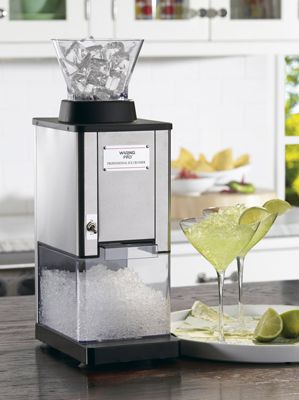
A crushed ice maker is a fantastic appliance, providing that coveted chewable ice for everything from refreshing drinks to delightful desserts. However, to ensure its longevity, optimal performance, and the production of clean, hygienic ice, regular maintenance is absolutely essential. Neglecting your crushed ice maker can lead to mineral buildup, reduced efficiency, unpleasant tastes or odors in your ice, and ultimately, costly repairs. By following a few simple dos and avoiding common don’ts, you can keep your crushed ice maker running smoothly for years to come.
Do: Read Your Owner’s Manual
This is the golden rule for any appliance. Your owner’s manual contains specific instructions for your model’s cleaning cycle, recommended cleaning solutions, and troubleshooting tips. Every machine is slightly different, and adhering to the manufacturer’s guidelines is crucial for proper care and to avoid voiding your warranty.
Do: Clean Regularly
Frequency is key to preventing major issues.
- For Home Use: Aim to clean your crushed ice maker every 1-3 months, depending on your water hardness and how often you use it. If you notice any off-tastes, odors, or a decrease in ice production, clean it immediately.
- For Commercial Use: Commercial machines require more frequent cleaning, often monthly or even bi-weekly, due to higher volume and stricter hygiene standards.
- Use the Self-Cleaning Function: If your machine has a self-cleaning cycle, use it! This automates the internal cleaning process, circulating a descaling solution through the system to break down mineral deposits and inhibit microbial growth.
Do: Use Recommended Cleaning Solutions
- Descaling: For mineral buildup (limescale), use a solution of white vinegar and water (often a 1:1 ratio, but check your manual) or a commercial ice machine descaler specifically designed for your unit. These solutions are acidic and effectively dissolve mineral deposits.
- Sanitizing: After descaling, you might want to sanitize. A very diluted bleach solution (e.g., 1 tablespoon of bleach per gallon of water) can be used, but ensure extremely thorough rinsing. Some commercial cleaners combine descaling and sanitizing.
Do: Use Filtered Water
Using filtered water is one of the easiest ways to reduce mineral buildup in your machine. Minerals in tap water are the primary cause of limescale, which can clog lines, coat freezing elements, and reduce efficiency. A good water filter can significantly extend the time between deep cleans.
Do: Clean the Ice Bin and Scoop Manually
Even with a self-cleaning function, the ice storage bin and scoop usually need manual cleaning.
- Remove All Ice: Empty the bin completely.
- Wash with Soap and Water: Use warm, soapy water and a soft cloth or sponge to thoroughly clean the interior of the bin and the ice scoop.
- Rinse and Dry: Rinse meticulously to remove all soap residue, and dry completely before returning ice or operating the machine.
Do: Ensure Proper Ventilation
For air-cooled models, adequate airflow is vital. Ensure the machine’s vents are not blocked by walls, other appliances, or clutter. Restricted airflow can cause the machine to overheat, work less efficiently, and potentially lead to breakdowns.
Don’t: Use Abrasive Cleaners or Tools
Never use harsh chemicals, abrasive sponges, wire brushes, or sharp objects to clean the internal components or blades of your ice maker. These can scratch or damage delicate parts, leading to corrosion or malfunction. Stick to soft cloths, sponges, and brushes recommended for appliance cleaning.
Don’t: Forget to Drain the Water
Before cleaning or if you plan to store the machine, always completely drain the water reservoir. Stagnant water can lead to mold, mildew, and unpleasant odors.
Don’t: Overfill the Water Reservoir
For countertop models, overfilling the reservoir can lead to spills and affect the machine’s ability to produce ice efficiently. Always adhere to the “max fill” line.
Don’t: Ignore Warning Lights
If your machine has indicator lights for “add water,” “ice full,” or “clean,” pay attention to them. These are designed to help you maintain the machine and ensure optimal performance.
Don’t: Force Anything
If a part isn’t moving freely or seems stuck, don’t force it. Consult your manual or contact customer support. Forcing components can cause irreparable damage.
Conclusion
Regular maintenance is the cornerstone of a well-functioning crushed ice maker. By consistently following these dos and avoiding the don’ts, you’ll not only enjoy a continuous supply of clean, fresh, and perfectly textured ice but also extend the life of your appliance, saving you money and hassle in the long run.
