


In today’s world of advanced construction and earthmoving technology, gps machine control systems have revolutionized the way projects are executed. Accurate, efficient, and reliable, these systems help operators achieve precise grading, excavation, and material placement. Breaking down the components of a GPS machine control system is essential to understand how these complex tools work seamlessly to enhance productivity and accuracy.
What is a GPS Machine Control System?
A GPS machine control system is an integrated solution combining global positioning technology with machinery controls to automate or guide construction equipment. These systems use satellite signals to provide real-time location data, allowing operators to follow pre-designed plans with centimeter-level accuracy.
Key Components of a GPS Machine Control System
1. GPS Receivers and Antennas
At the heart of the system are the GPS receivers and antennas. These devices capture satellite signals from multiple GPS satellites orbiting the earth. The antenna collects data which the receiver processes to determine the machine’s exact position on the job site.
2. Onboard Computer and Software
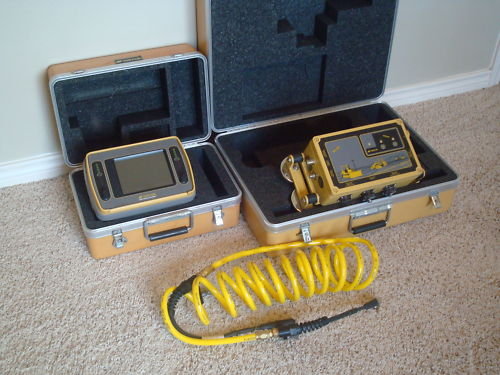
The onboard computer serves as the brain of the system. It runs specialized software that interprets GPS data, compares it to design models, and sends control commands to the machine. This software displays real-time positioning and guidance information to the operator, ensuring they stay on track.
3. Machine Control Interface
The machine control interface includes actuators and control valves that interact with the vehicle’s hydraulic system. Based on signals from the computer, these controls automatically adjust blade or bucket positions for precise grading or digging without manual input.
4. Base Stations and Correction Signals
To improve accuracy, GPS machine control systems often use base stations set up at fixed locations. These stations send correction signals to the GPS receiver on the machine, minimizing errors caused by atmospheric interference or satellite geometry.
Benefits of Understanding These Components
By breaking down the components of a GPS machine control system, operators, engineers, and project managers can better troubleshoot issues, optimize machine performance, and train staff effectively. Understanding each part’s role ensures seamless integration and maximizes the system’s potential to deliver high-quality results.
Conclusion
GPS machine control systems represent a leap forward in construction technology. By breaking down the components of a GPS machine control system, we gain insight into how these systems bring precision and efficiency to complex tasks. As technology advances, these components will continue evolving, driving improvements in project timelines and accuracy.
