


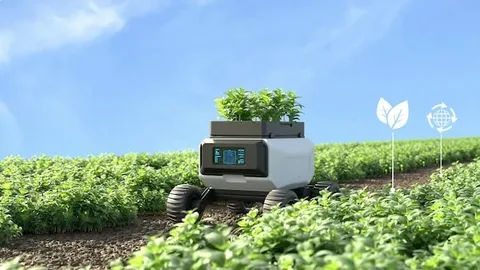
In recent years, agriculture has undergone a significant transformation due to the integration of modern technologies. Among these, big data has emerged as a crucial tool, helping farmers optimize crop production, reduce waste, and improve overall efficiency. Understanding the role of big data in smart agriculture is essential for anyone involved in modern farming practices.
Understanding Big Data in Agriculture
Big data refers to the massive volume of structured and unstructured data generated from various sources, including soil sensors, weather stations, satellite imagery, drones, and machinery. In agriculture, this data can provide valuable insights into crop health, soil conditions, pest infestations, and irrigation needs. By analyzing these datasets, farmers can make informed decisions to increase yields and reduce costs.
Enhancing Crop Management
One of the most significant impacts of big data is in crop management. Precision farming techniques utilize data from multiple sources to monitor crop growth and predict potential issues. For example, soil moisture sensors and weather data can help determine the ideal time for planting and harvesting. This ensures that resources such as water, fertilizers, and pesticides are used efficiently. The integration of big data allows farmers to practice more sustainable and productive agriculture.
Improving Pest and Disease Control
Pests and diseases are major challenges for farmers worldwide. Big data analytics can help predict outbreaks by analyzing patterns in weather, soil, and crop health data. Early detection through predictive models allows farmers to take preventive measures, reducing crop losses and minimizing chemical use. This demonstrates another important aspect of the role of big data in smart agriculture.
Optimizing Supply Chains and Market Forecasting
Big data is not only valuable in the field but also in agricultural supply chains. Data-driven insights can help farmers plan harvests according to market demand, reduce storage costs, and minimize post-harvest losses. Additionally, predictive analytics can provide accurate market forecasts, helping farmers decide which crops to grow for maximum profitability.
Challenges and Future Prospects
While the potential benefits are significant, the adoption of big data in agriculture faces challenges. These include high costs of technology, lack of digital literacy among farmers, and data privacy concerns. However, with continued technological advancements and government support, the role of big data in smart agriculture is expected to grow, making farming more efficient, sustainable, and resilient to climate change.
Conclusion
In conclusion, the role of big data in smart agriculture is transformative, offering solutions for crop management, pest control, and market optimization. By harnessing the power of data, farmers can make smarter decisions, increase productivity, and promote sustainable agricultural practices. As technology continues to evolve, big data will remain a cornerstone of the future of agriculture.
