


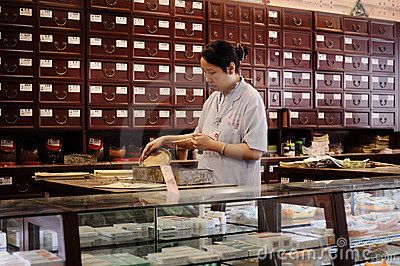
In Sydney, many people are familiar with “acupuncture” as a standalone therapy, often sought for pain relief or stress reduction. However, what is sometimes less understood is that acupuncture is not an isolated practice but an integral part of a much broader and ancient healthcare system: Traditional chinese medicine sydney (TCM). Understanding this fundamental connection is key to appreciating the holistic power and comprehensive nature of TCM available in Sydney.
Acupuncture: A Pillar of TCM
Acupuncture is one of the oldest and most widely recognized therapeutic modalities within TCM. It is based on the theory that the body’s vital energy, known as “Qi” (pronounced “chee”), flows through specific pathways called meridians or channels. When this flow is balanced and unobstructed, the body is in a state of health. When the flow is disrupted, blocked, or deficient, illness and pain can arise.
In Sydney, qualified acupuncturists use fine, sterile needles inserted into specific points along these meridians. The purpose of this is to:
- Regulate Qi and Blood Flow: To unblock stagnation and promote smooth circulation, thereby alleviating pain and restoring function.
- Balance Yin and Yang: To harmonize the body’s opposing yet complementary forces.
- Stimulate the Body’s Natural Healing Response: Encouraging the release of neurochemicals that can reduce pain, inflammation, and stress.
While acupuncture can be highly effective on its own for certain conditions, its full potential is often realized when applied within the diagnostic and theoretical framework of TCM.
Traditional Chinese Medicine: The Comprehensive System
TCM is a complete medical system that has evolved over thousands of years. It encompasses a holistic view of health, considering the interconnectedness of the body, mind, and spirit, as well as the influence of environmental factors. Acupuncture is just one of several core components that a TCM practitioner might utilize. The other major pillars include:
1. Chinese Herbal Medicine
This involves the use of carefully selected and combined natural substances, primarily plants, to create customized formulas. Unlike single-herb remedies, TCM herbal formulas are designed to address the complex underlying patterns of imbalance identified through a TCM diagnosis. In Sydney, herbal medicine is used to nourish deficiencies, clear excesses, resolve stagnation, and support organ function, working synergistically with acupuncture.
2. Dietary Therapy
In TCM, food is considered medicine. Practitioners provide personalized dietary advice based on an individual’s unique constitution and current imbalances. This involves understanding the energetic properties of different foods and how they can be used to support health and prevent illness.
3. Tui Na (Chinese Therapeutic Massage)
A form of deep tissue and acupressure massage that manipulates specific points and meridians to promote circulation, relieve muscle tension, and unblock Qi.
4. Tai Chi and Qigong
These gentle mind-body exercises combine movement, breathing techniques, and meditation to cultivate Qi, improve balance, and reduce stress, empowering individuals to take an active role in their own health maintenance.
The Connection in Practice in Sydney
When you visit a qualified Chinese Medicine practitioner in Sydney, they won’t just offer you acupuncture in isolation. Your initial consultation will involve a comprehensive TCM diagnosis, including detailed questioning about your health history, lifestyle, and symptoms, as well as traditional pulse and tongue diagnosis.
Based on this holistic assessment, the practitioner will formulate a TCM diagnosis (e.g., Liver Qi Stagnation, Spleen Qi Deficiency, Kidney Yin Deficiency). The treatment plan will then be tailored to address this specific diagnosis, and it may involve:
- Acupuncture: To directly influence Qi flow and address symptomatic relief.
- Chinese Herbal Medicine: To nourish and rebalance internal organ systems.
- Dietary and Lifestyle Advice: To support the treatment and promote long-term wellness.
This integrated approach is what distinguishes a true TCM clinic from a practice that offers only acupuncture. The connection is that acupuncture is a powerful tool, but it’s most effective when wielded by someone who understands the entire TCM system and can use it as part of a comprehensive, personalized healing strategy.
Conclusion
In Sydney, acupuncture is a highly effective therapy, but it is fundamentally a part of the much broader system of Traditional Chinese Medicine. Understanding this connection allows individuals to appreciate the holistic depth of care available, where acupuncture, herbal medicine, and other modalities work in harmony to address the root causes of imbalance and support overall well-being.
