


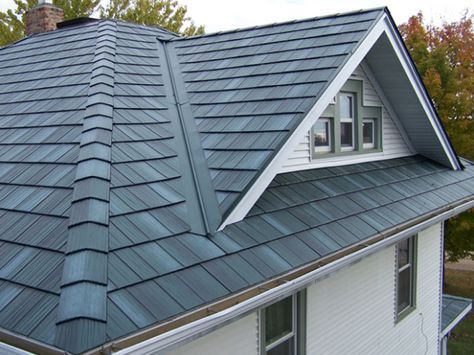
Replacing a roof is a substantial undertaking for any homeowner, and the final bill can vary dramatically from one project to another. While the type of roofing material often grabs the most attention, numerous other factors play a crucial role in determining the overall cost. Understanding these elements is key to accurately budgeting for your roof replacement and avoiding unexpected expenses. This article delves into the primary factors that influence roof replacement costs, providing homeowners with a comprehensive guide to what drives the price.
1. Material Choice: The Primary Cost Driver
As highlighted in the “roof replacement cost Guide for Homeowners” Canvas document, the roofing material you select is arguably the biggest determinant of cost. Materials range widely in price, durability, and aesthetic appeal.
- Asphalt Shingles: Generally the most economical, with 3-tab shingles being the cheapest and architectural shingles offering a slightly higher price point for enhanced durability and appearance.
- Metal Roofing: A broad category with significant price variations depending on the type of metal (steel, aluminum, copper, zinc) and the panel style (corrugated, standing seam, shingles). While more expensive upfront, their long lifespan often offers better long-term value.
- Tiles (Concrete, Clay): These materials provide a distinctive look and excellent longevity but come at a higher cost due to material expense and often heavier weight requiring stronger structural support.
- Wood Shakes/Shingles: Offer a natural, rustic aesthetic but require more maintenance and can be restricted in fire-prone areas.
- Slate: The most premium option, known for its extreme durability and luxurious appearance, but also its very high cost and significant weight. Synthetic slate offers a more affordable alternative.
- Synthetic (Rubber/Plastic) Roofing: A modern option that mimics the look of natural materials while offering good durability and lower maintenance.
2. Roof Size and Complexity
The sheer size of your roof is a fundamental cost factor – a larger roof means more materials and more labor. However, complexity adds another layer to the pricing.
- Pitch (Steepness): Steeper roofs are more dangerous and require specialized equipment, more time, and often more safety measures, increasing labor costs.
- Design Elements: Features like multiple valleys, dormers, chimneys, skylights, and intricate angles increase the complexity of the installation. Each cut, seal, and flashing detail adds to the labor time and material waste.
- Number of Stories: Multi-story homes typically have steeper and less accessible roofs, which can increase labor costs due to safety requirements and the effort involved in transporting materials.
3. Labor Rates and Regional Variations
Labor accounts for a significant portion (typically 40% to 60%) of the total roof replacement cost. Several factors influence labor rates:
- Geographic Location: Labor costs vary significantly by region, state, and even within different cities. Areas with a higher cost of living or higher demand for skilled trades will generally have higher labor rates.
- Contractor Experience and Reputation: Highly experienced and reputable roofing companies may charge more, but often provide superior craftsmanship, better project management, and reliable warranties.
- Crew Size and Efficiency: The size and efficiency of the roofing crew can impact how quickly the project is completed, indirectly affecting labor costs.
4. Old Roof Removal (Tear-Off) and Disposal
Unless you’re installing a new roof over a single existing layer (which isn’t always advisable or permissible), the old roof needs to be removed.
- Material Type of Old Roof: Some materials are harder and more time-consuming to remove than others.
- Number of Layers: If there are multiple layers of old roofing, the removal process becomes more laborious and costly.
- Disposal Fees: The removed materials need to be disposed of properly, often incurring landfill or recycling fees, which are factored into the overall cost. This typically ranges from $1 to $5 per square foot.
5. Underlying Decking and Structure Repair
What lies beneath the surface matters. During the tear-off process, contractors may uncover hidden issues.
- Rotten Wood/Water Damage: If the underlying roof decking (plywood or OSB) or structural rafters have suffered from water damage, rot, or pest infestation, these sections will need to be repaired or replaced. This is an unforeseen cost that can add significantly to the budget.
- Code Compliance Upgrades: Older homes might have decking that doesn’t meet current building codes, necessitating upgrades during the replacement.
6. Permits, Inspections, and Accessibility
Administrative and logistical factors also contribute to the cost.
- Permit Fees: Most municipalities require a building permit for a roof replacement to ensure the work meets local building codes and safety standards. These fees typically range from $100 to $500.
- Inspection Costs: While often part of the permit process, additional inspections may be required depending on the project’s scope.
- Accessibility: If the roof is difficult to access due to landscaping, fences, or a very high structure, it might require specialized equipment like scaffolding or cranes, increasing labor and equipment rental costs.
By considering all these factors, homeowners can gain a more realistic understanding of their potential roof replacement expenses and engage in more informed discussions with roofing contractors.
