


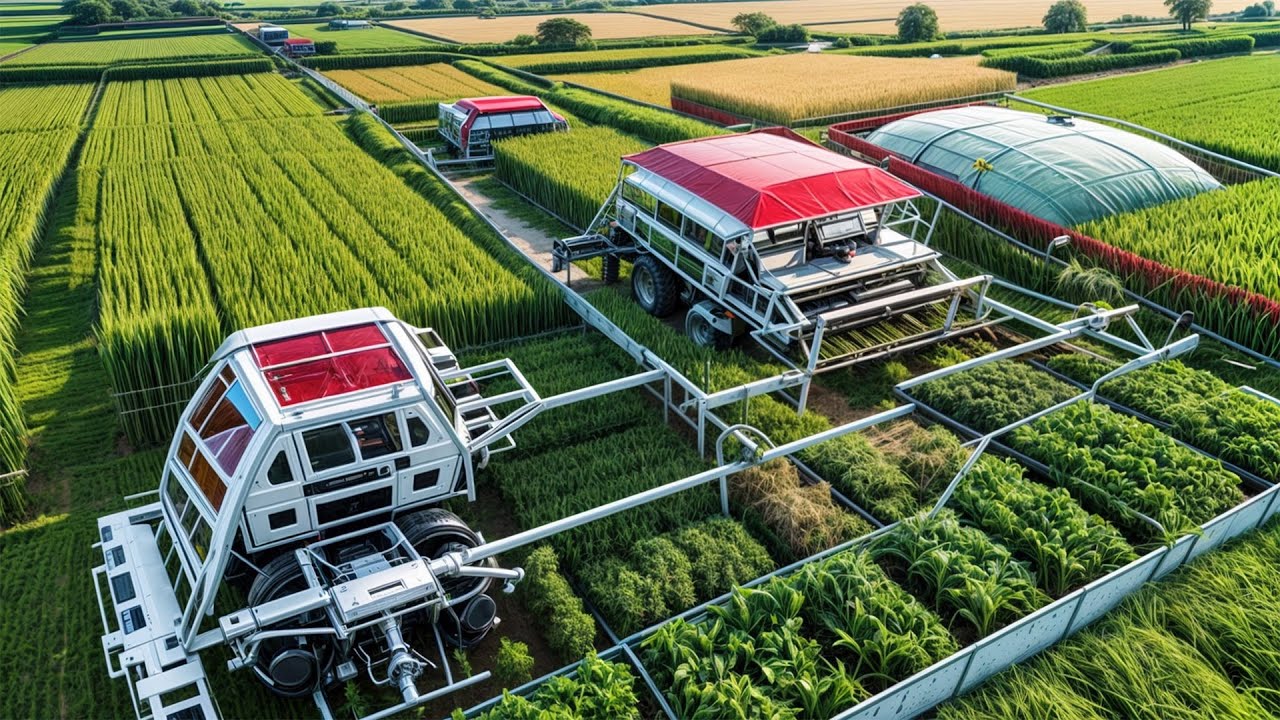
In recent years, the agricultural sector has witnessed a transformative shift. The integration of technology into farming practices is reshaping how we produce food, manage resources, and respond to environmental challenges. This transformation is often referred to as the rise of smart agriculture in the era of digital innovation—a phenomenon that is revolutionizing the global food system.
Understanding Smart Agriculture
Smart agriculture refers to the use of advanced technologies such as the Internet of Things (IoT), artificial intelligence (AI), drones, and sensors to optimize farming operations. These technologies allow farmers to make data-driven decisions, leading to increased efficiency, reduced waste, and higher yields. By harnessing real-time data, farmers can monitor soil health, track crop growth, and detect potential pest infestations before they become severe.
Key Technologies Driving Digital Innovation in Agriculture
1. Internet of Things (IoT) and Sensors
IoT devices and smart sensors are becoming essential tools for modern farmers. These devices collect data on soil moisture, temperature, nutrient levels, and weather conditions. With this information, farmers can automate irrigation systems, adjust fertilization schedules, and ensure crops receive the optimal conditions for growth.
2. Artificial Intelligence and Machine Learning
AI and machine learning algorithms analyze vast amounts of agricultural data to provide predictive insights. For instance, AI can forecast crop yields, detect diseases early, and suggest precision planting strategies. These capabilities are central to the rise of smart agriculture in the era of digital innovation, allowing farmers to make more informed decisions.
3. Drones and Robotics
Drones provide aerial imaging to monitor crop health, identify irrigation issues, and map fields efficiently. Similarly, agricultural robots can handle tasks such as planting, weeding, and harvesting, reducing labor costs and improving productivity. These technologies exemplify how digital innovation is reshaping traditional farming methods.
Benefits of Smart Agriculture
The adoption of smart agriculture brings numerous advantages:
- Increased Productivity: Data-driven insights help farmers maximize crop yields.
- Sustainability: Efficient use of resources such as water and fertilizers reduces environmental impact.
- Cost Savings: Automation and predictive analytics lower operational costs.
- Food Security: Improved crop management ensures more reliable food supply chains.
Challenges and Future Outlook
While the benefits are clear, smart agriculture also faces challenges, including high initial costs, data privacy concerns, and the need for farmer training. Despite these hurdles, the potential of smart agriculture continues to grow. The future of farming will likely see even greater integration of technologies like blockchain for supply chain transparency and AI-driven autonomous machinery.
As we move forward, it is evident that the rise of smart agriculture in the era of digital innovation is not just a trend—it is a necessary evolution to meet the demands of a growing global population and environmental sustainability.
Conclusion
Smart agriculture represents the intersection of tradition and technology. By leveraging digital innovations, farmers can optimize production, reduce waste, and build resilient agricultural systems. The ongoing transformation underscores the importance of embracing technology in agriculture, ensuring that our food systems remain sustainable and efficient for generations to come.
