


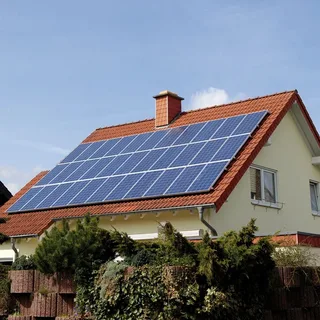
Solar energy has become one of the most popular and sustainable energy solutions for homeowners. With rising electricity costs and growing environmental concerns, investing in solar power systems is no longer just an eco-friendly choice—it’s a smart financial decision. This article, The Ultimate Homeowner’s Guide to Solar Power Systems, will walk you through everything you need to know to make an informed decision.
Understanding Solar Power Systems
A solar power system converts sunlight into electricity for your home. At its core, it consists of three main components:
- Solar panels – Capture sunlight and convert it into direct current (DC) electricity.
- Inverter – Converts DC electricity into alternating current (AC) electricity, which powers your home appliances.
- Battery storage – Stores excess electricity for use when sunlight is unavailable.
By understanding these components, homeowners can determine the type and size of solar system that best fits their needs.
Benefits of Installing Solar Panels
Investing in solar energy offers numerous advantages:
- Reduced Energy Bills – Solar panels allow homeowners to generate their own electricity, reducing dependency on the grid.
- Environmental Impact – Solar energy is clean and renewable, helping reduce your carbon footprint.
- Increased Property Value – Homes equipped with solar systems often sell faster and at a higher price.
- Government Incentives – Many regions provide tax credits and rebates for solar system installation.
By reading The Ultimate Homeowner’s Guide to Solar Power Systems, you can understand how to maximize these benefits while avoiding common pitfalls.
How to Choose the Right Solar Power System
Selecting the best system depends on several factors:
- Energy Consumption – Review your electricity bills to determine how much power your household uses.
- Roof Space and Orientation – South-facing roofs with minimal shade are ideal for solar panels.
- Budget – Consider upfront costs versus long-term savings. Financing options and incentives can make solar installation more affordable.
- Quality of Equipment – Research reputable brands for panels, inverters, and batteries to ensure reliability and durability.
A carefully chosen system ensures you get the maximum return on your investment.
Installation and Maintenance Tips
Proper installation and maintenance are crucial for the longevity of your solar power system:
- Professional Installation – Hiring certified installers ensures safety and optimal panel performance.
- Regular Cleaning – Keep panels free of dust and debris to maintain efficiency.
- System Monitoring – Use monitoring apps or devices to track electricity generation and detect issues early.
- Maintenance Checks – Inspect wiring, inverters, and batteries periodically to prevent malfunctions.
Following these tips helps homeowners protect their investment and enjoy uninterrupted energy savings.
Conclusion
Switching to solar energy is a smart move for modern homeowners, combining environmental responsibility with financial benefits. By following The Ultimate Homeowner’s Guide to Solar System for house, you’ll gain the knowledge needed to choose, install, and maintain an effective solar system for your home. Whether you’re looking to reduce bills, increase property value, or contribute to a greener planet, solar power offers a reliable solution that pays off in the long run.
